“The Blank Spot”
Right in the center of what you’re trying to see — a face, a word on the page, a street sign — there’s a shadow or empty patch that wasn’t there a year ago.
“The Wavy Lines”
Straight lines look slightly bent or distorted. Door frames. Text. Tiles on the floor. Your brain tries to compensate but the distortion is getting harder to ignore.
“The Color Fade”
Everything looks duller, darker, less vivid — like the brightness of life has been quietly turned down without your permission.
“The Night Shrinks”
You’ve already stopped driving after dark. Or you’re close to it. And you know what that means for your independence.
“Still progressing”
You’ve taken the vitamins, made the appointments, followed every instruction — and at your last exam the answer was the same: it’s advancing.
"You've been told to just 'monitor it.' That there's nothing else to do but wait. Yet every month the blank spot gets a little larger, the distortion a little worse — and the fear of losing your independence grows louder."
If you’ve been following your doctor’s instructions faithfully — and still watching that blank spot grow — you are not failing. The problem is that everything you’ve been given to manage AMD never reaches the actual site of damage.
Why Standard Approaches Fall Short
What you've been told to try — and why it's not enough.
Stronger glasses compensate for what you've already lost — but they do nothing to slow the oxidative damage destroying your photoreceptor cells right now.
Prescription eye drops stay on the surface of your eye. They never reach the macula, where AMD is actually happening.
"Wait and see" means watching while oxidative stress continues unchecked — month after month — while the damage quietly hardens.
Standard AREDS2 supplements may use forms of nutrients your body can't fully absorb at the doses that actually matter to macular tissue.
Diet changes alone rarely deliver the concentrated compounds that aging macular cells need to defend themselves against daily oxidative attack.
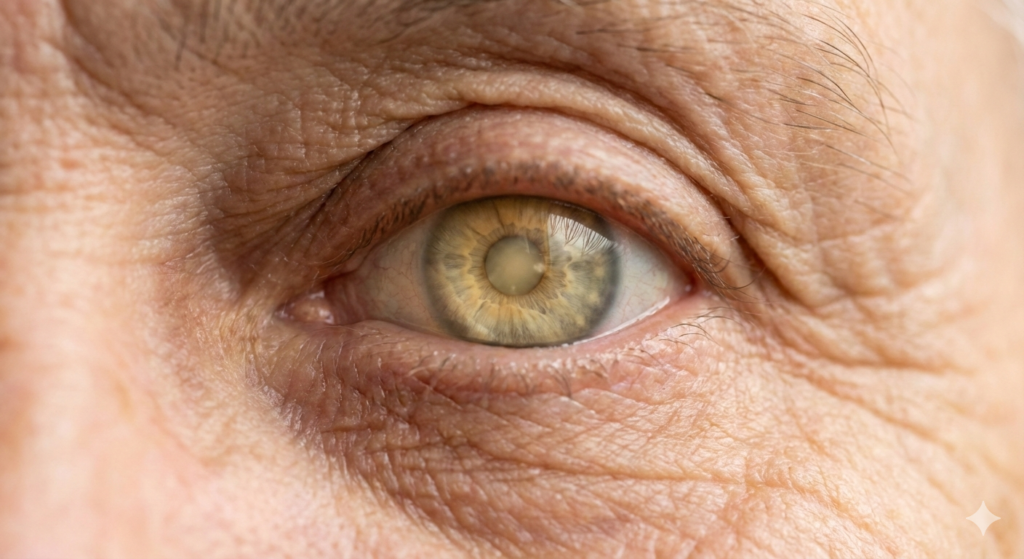


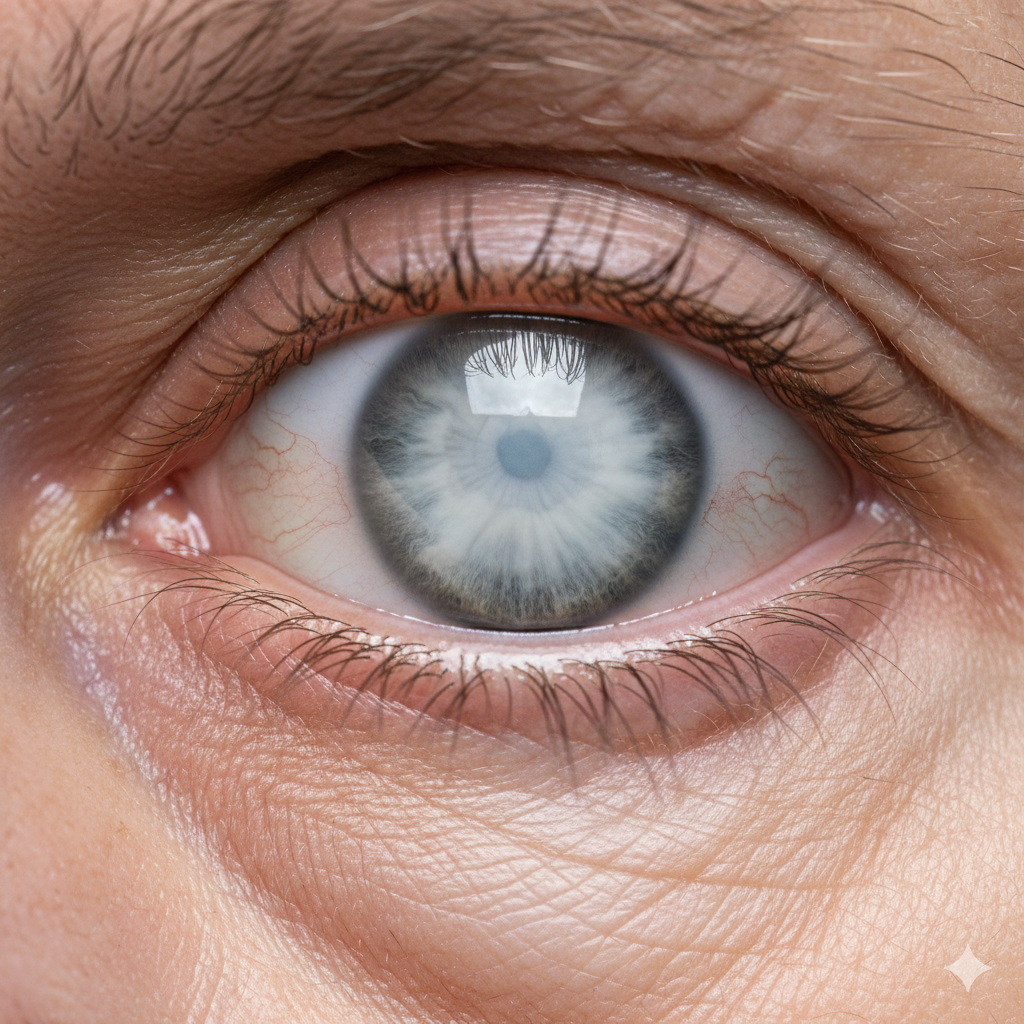

“The AMD Misconception That Almost Cost Me My Independence”
My name is Margaret Collins. In my early 70s, I was told the same thing you’ve probably heard: that my macular degeneration was just an “unavoidable” part of getting older. That monitoring and injections were the only road ahead — and I just needed to wait until it got bad enough.
For years, I followed the “expert” rules:
I made every appointment, every 3 months — and at every single one, the answer was the same: “It’s progressing, but slowly.”
I took the AREDS2 every day without fail — and my central vision kept getting worse anyway.
I was told to simply “learn to live with” the blank spot, the distortion, and the growing fear that greeted me every single morning.
But none of those approaches explained what was actually happening inside my macula. They never told me that the oxidative stress accumulating in my eye was silently destroying my photoreceptor cells — a process that no glasses or supplement was ever reaching.
The quiet fear of losing my independence began to take over. I stopped driving at night. Reading my grandchildren’s faces across the dinner table felt like looking through a smudged, distorted window.
I refused to believe that waiting was my only option. What I found — the Dr. Wang research — completely changed how I understood what was happening inside my eye.
I stopped waiting and started addressing the cause directly. Today, my last scan showed stable pigment density. I can drive myself to church on Sunday mornings. I can read without a magnifying glass. I can see my grandchildren’s faces — in crystal-clear detail — for the first time in years.
Frequently Asked Questions
Questions people ask when they first learn about macular degeneration progression
If You're Still Being Told to Just "Monitor It" — Watch This First
"This site is not a part of the Google website or Google Inc. Additionally, this site is NOT endorsed by Google in any way."
This website is for informational and promotional purposes only and is not a substitute for professional medical advice, diagnosis, or treatment. Individual results may vary. Always consult your physician regarding any questions about your health or medical conditions. Statements on this website have not been evaluated by the Food and Drug Administration. This product is not intended to diagnose, treat, cure, or prevent any disease.
Privacy Policy | Terms of Service | Contact
© 2026 Vision Pro. All rights reserved.